
A Cozy Apartment Isn’t Just About Aesthetics. It’s About Survival. Here’s Some Cozy Home Inspo!
This post contains affiliate links. If you click and purchase, I may receive a small commission at no extra cost to you. Thank you for your support!

Why are we obsessed with cozy apartments? Are we okay…?
Actually, yes. Because creating a cozy home isn’t just about ✨the aesthetic✨. It’s about using cozy decor and hygge lifestyle inspiration to make our small apartments feel safe, creative, and comfy.
So in this essay, I’m not only giving you a bunch of cozy home inspiration… I’m examining the whole concept of coziness and diving into why it’s not just cute - it’s a survival skill!
Would you rather watch than read? Here’s the video! ↓
The quest for a cozy apartment starts small. A warm glowy lamp to replace the depressing overly orange overhead light. A faux fur weighted blanket you bought for the aesthetic, but now you feel mentally unstable without it on your lap, even on the hottest day. A sparkly trinket on your desk that you can disassociate to when you can no longer bear the sight of your laptop screen.
Then you realize… your apartment isn’t just shelter anymore. It’s more like a recovery center.
And it turns out your quest for a cozy apartment isn’t just for the aesthetic. #Cozyliving isn’t just a mindless trend that punctuates your doom scrolling with brief reprieves of pretty.
There’s something deeper going on here.
Why does why does creating coziness in our apartments feel so crucial right now?
Cozy Content
Of course, the concept of “cozy” is nothing new. We’ve always sought out comfort, warmth, and pleasantness since the dawn of humanity.
The moment man invented fire was the moment he invented coziness. Campfire stories, a warm cooked meal, gathering and dancing and nesting… Coziness is primal. And it has accompanied technology as an unlikely bedfellow since man made fire. Only now instead of fire, the technology that coziness is cozied up to is social media.
And just like fire, social media is both beautiful and destructive. For now let’s focus on the beauty. Trust me, we’ll get to the destruction part in a bit. 😉
The cozy content you see on Instagram, Pinterest, and TikTok feels good (for the most part). It inspires us, helps us escape, and tells us we’re normal for wanting that lavender scented reed diffuser.
When I see a reel of @cozy.games cuddling up with her chunky blanket to play Tales of the Shire on her Nintendo Switch with a cute little drink and a cute little snack, the tiny seratonin spike in my brain feels good. And even with the delicious daily antidepressant cocktail of Celexa and Welbutrin I’m on, those tiny feel good spikes from witnessing someone else’s perfectly curated coziness really does something for me. I feel a sense of kinship with my fellow cozy gamer girl.
When I see the moody, vintagey layers of @ninageeathome’s space, it feels like a I’m getting cozy hug through the screen, and I experience something that feels almost like a crush. You know that little heart skip that makes you feel giddy but also kind of hurts because you can only admire that beauty from afar? But ultimately you feel like you’re better off having seen it than not? I feel a sense of kinship with someone who created a space that looks like a personal fantasy of mine.
When I see @moremagicalthanpractical.insta’s cozy content - all candlelight, tea pours, cute animals and cottagecore delights - I feel a soul-deep yearning for that bucolic fantasy - says the perpetual city girl who hasn’t even stepped on dirt in probably… 7 and a half years. 🙃 But it’s the fantasy she’s giving me that’s enticing, as well as the catharsis of seeing someone subvert the cozy content space into political rage. The peacefulness of her imagery juxtaposed with her much needed anti-MAGA tirades feels cathartic. I feel a sense of kinship with someone who refuses to let their cozy content be passive and superficial, and who speaks up for what’s right. Moral compasses are very cozy.
Then in addition to feelings of somewhat parasocial kinship with cozy content creators, there’s a voyeuristic element going on. The rise of cozy night routines, for example, points to our desire to see how others do it.
When it comes to the intimate act of coziness, we like to sit in the corner and watch. 😏
Because who doesn’t love watching a beautiful woman sip on a hot cup of tea, get into bed, and squirt skincare all over her face? I mean, I’m making this weird but being I’m serious. We love to live vicariously through other people’s coziness. We feel connected to it.
It all comes down to connection, or at least the simulation of connection.
The community campfire has gone digital. And when we cozy up with the pixelated embers of this kind of self expression and storytelling, we feel a sense of belonging and connection that used to take place outside and in person.
And yes, this is largely a trauma response.
Cozy Coping Mechanism
6 years ago, coziness went from a cute little pursuit to a full blown mental health imperative.
Covid transformed coziness into a vital coping mechanism. Suddenly the idea of coziness became a means for survival. Maybe not literal life and death, but definitely survival of the soul.
When we had no choice but to hunker down and isolate, obviously our apartments were the only environments we had access to. Coziness was forced upon us.
Some are born with coziness, some achieve coziness, and some have coziness thrust upon them. And in the the case of Covid, coziness was thrust upon us. Hard.
Even if you weren’t consciously putting effort into making your apartment more cozy, you were probably unconsciously doing so to some degree.
At the very least you were making your home in Animal Crossing cozy.
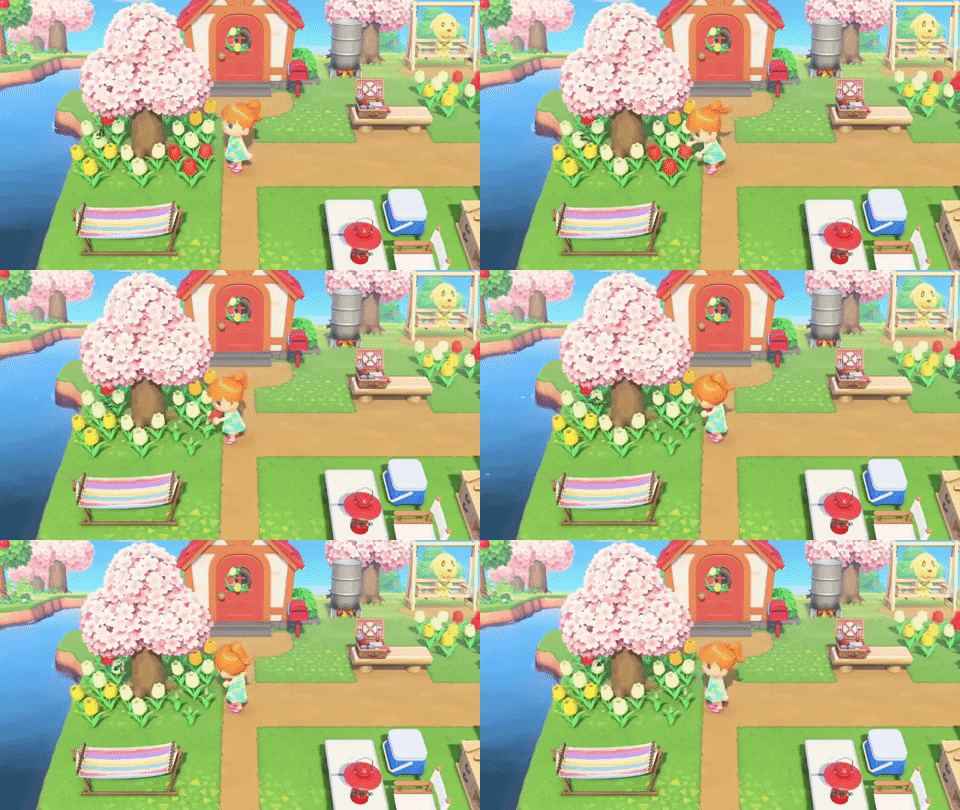
2020 came around and trapped us in our apartments, and the quest for coziness has been a societal trauma response ever since. Even though, years later, we’re now free to leave our apartments, many of us - myself included - are opting to stay in more than ever.
Rently conducted a 2025 survey of 500 apartment renters and found that “87% of renters say they’d rather stay in than go out, and are creating cozy, well-curated spaces that feel like a personal retreat.”
87%, you guys. I’ve always been a homebody who can stay in her apartment without leaving for a borderline freakish about of time, and I’ve spent most of my life feeling like I’m in the minority. But nowadays I most definitely am not.
And it makes sense. Everything is prohibitively expensive these days, making even small outings like going out for coffee a luxury. And you’re lucky if you live in a place that has cool local coffee shops that weren’t destroyed in the wake of 2020. For many, the bigass corporation coffee is your only option if you are so inclined to splurge, but their over roasted beans won’t be the only bitter taste in your mouth when you hear how they treat their employees.
Being a consumer right now is not only extra expensive right now, it’s morally challenging.
So yeah, I think I’d rather stay in.
And apparently that goes for 87% of us.
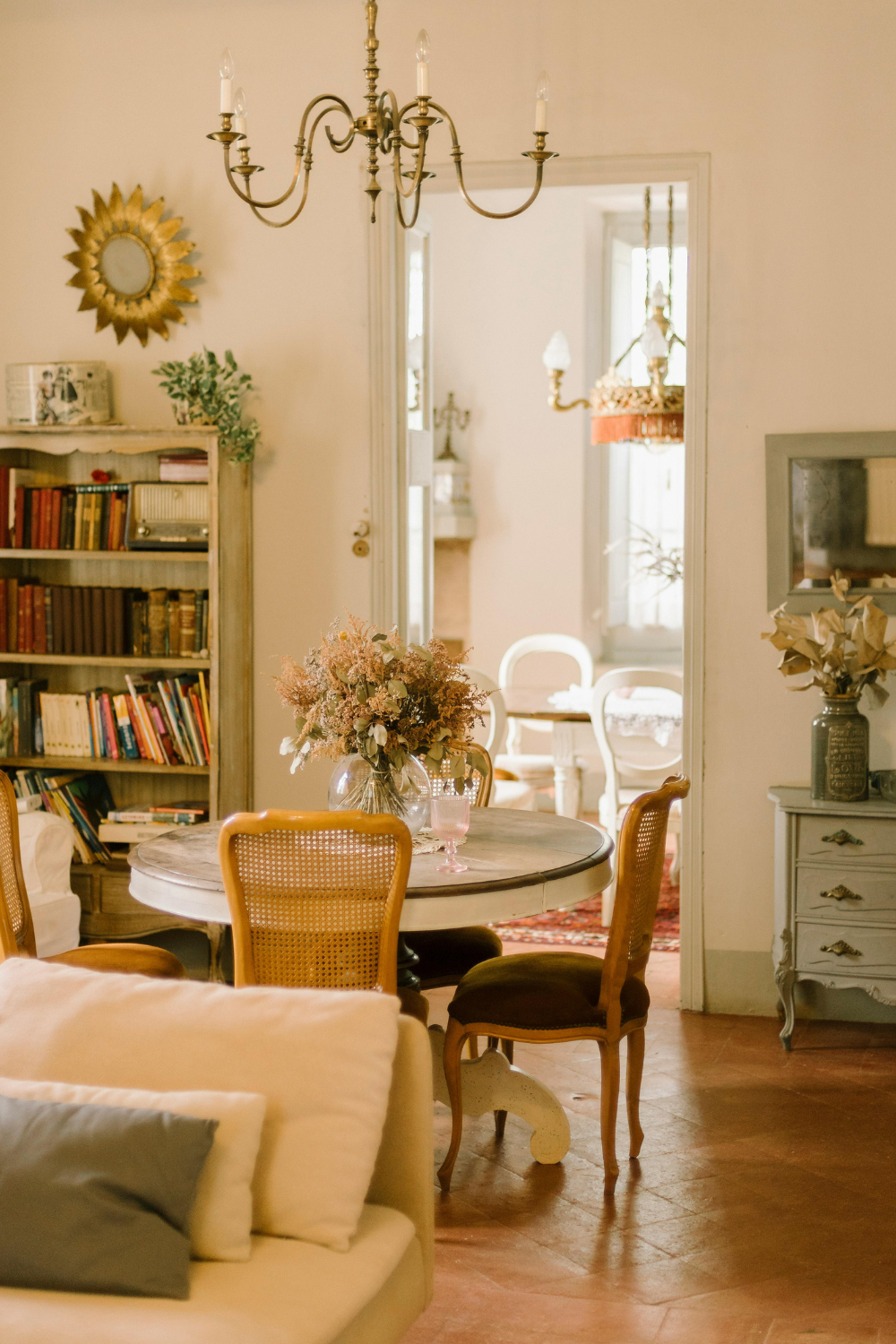
And on top of preferring to stay in, in a different study on homeowner trends, Zillow found that listings mentioning the word "cozy" increased by 35% compared to 2023. So according to the numbers, most of us are homebodies and our interest in coziness is increasing.
Coziness has always been desirable. But now it feels mandatory. For the sake of our sanity. In the face of trauma, we turn inward. We burrow. We nest.
We process disaster from the comfort of our cozy candlelit homes and fall asleep to the dulcet tones of a brutal true crime documentary. 🙃
Cozy Crime
Yes, true crime is a common cozy pastime.
Because allowing atrocities to tuck us in at night somehow makes us feel… more prepared maybe? It’s hypervigilence you can summon with the play button. The bedtime true crime ritual is like a modern version of surveying the area around the campsite to keep the tribe safe, and this cozy recon mission is just a displaced survival mechanism to protect ourselves from predators.
And we process this sense of safety as coziness. And we drift off to sleep with the satisfaction of having done our due diligence. The human brain hasn’t caught up with technology and the comforts of modern living. As far as our brains are concerned, we’re still living outside and a possible bear attack is around the corner at all times.
This Psychology Today article gets it:
“Although most of us today inhabit a world where there are few immediate threats to life, our modern brains retain this primitive ‘threat detection’ system which is constantly scanning the world for danger and problems that require our attention.”
And in our modern context, from the comfort of our apartments, through the screen of our televisions, true crime allows us to feel a kind of simulated threat detection system that weirdly comforts us.
At least, that’s my theory as to why true crime documentaries have become a popular cozy pastime. It surely can’t be that we’re all just a bunch of fucked up weirdos who enjoy spiraling into the darkest depths humanity has to offer…
And often, dark subject matter is intentionally wrapped up in a cute, cozy package as an artistic style.

Like in Animal Crossing, for example, you were so blissfully preoccuppied with decorating your adorable little home and making adorable little friends, that it was easy to forget about the crippling debt that Tom Nook basically tricked you into owing him the second you pressed play. You can’t trust anyone. Even the cutest, coziest of things have their darkness.
Another example: Only Murders in The Building. Very dark subject matter. Tragic loss of life, every season. But doesn’t it make you feel warm and fuzzy inside? The witty banter, the moody theme song that sounds like how a crisp fall day feels, the beautiful interiors, Selena’s outfits.
This is a wholesome show you can cozy up to with a warm beverage and a fuzzy blanket, yet it’s undeniably dark. Somehow the murder mystery genre as a whole is a cozy staple, from Agatha Christie to Knives Out.
And I think it’s because having a sense of humor about death - almost gamifying death through the the game of figuring out who dunnit - helps us get through the giant existential crisis of being a human every day.
Decorating helps too. 😉
Creating a cozy home for ourselves is a way to feel alive, to feel safe, a way to anchor ourselves in the eye the storm of all the tragedy that’s happening around us.
The interiors in Only Murders in the Building, for example, do a lot of the heavy lifting in terms of making the show feel cozy, despite its dark subject matter. The writing and acting does most of it, but the interiors create the perfect container for the cozy tone of the show.
And it really goes to show how much power interior design has over our emotions.
The sets on Only Murders emotionally manipulate us into a sense of safety even though we know there’s a murderer on the loose. And making your apartment feel cozy can help emotionally manipulate you into a sense of safety, even though we’re surrounded by atrocities.
Honestly, if I can use home decor to trick myself into feeling okay on a daily basis, I’ll take it.
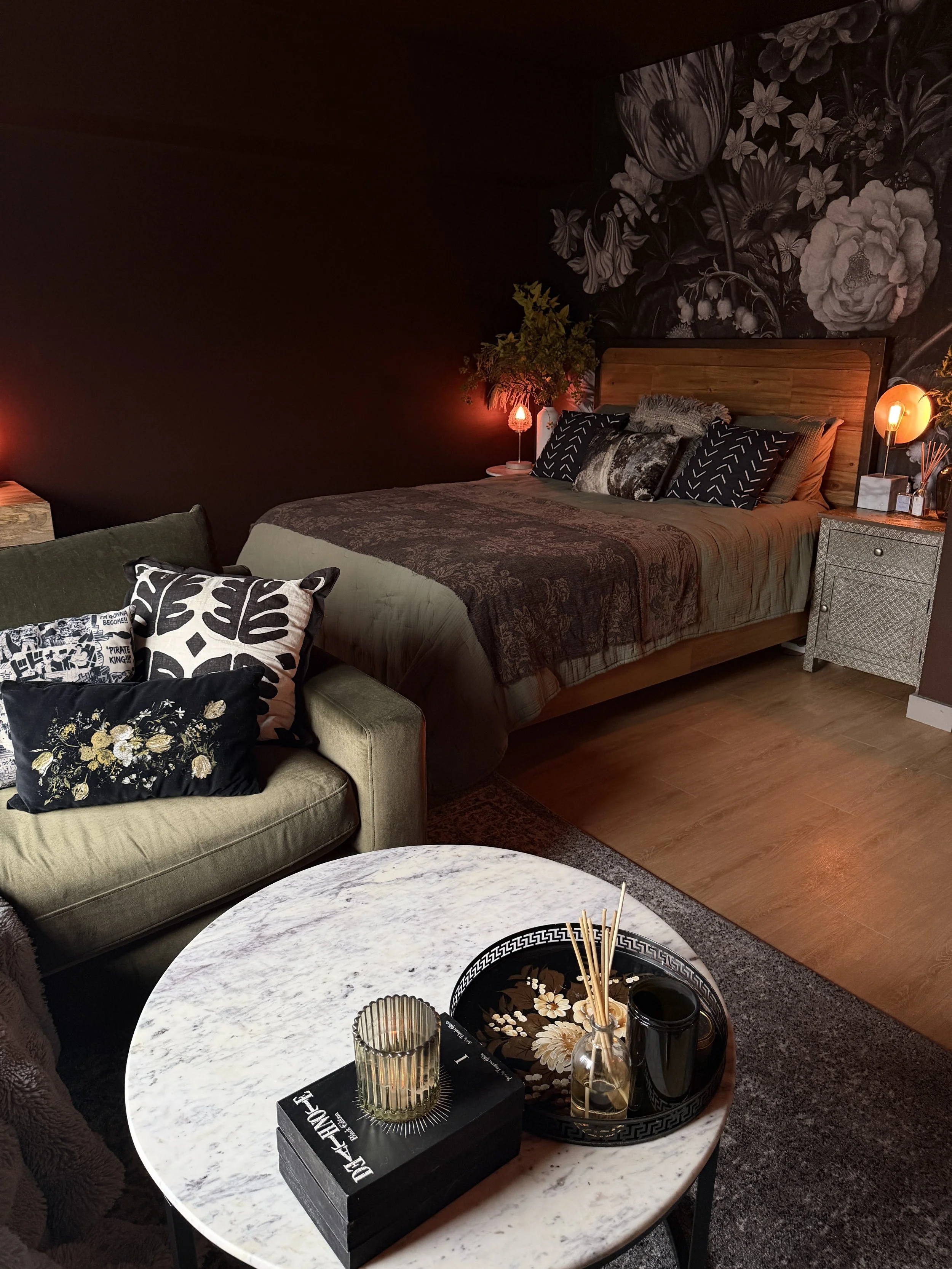
My pretty studio apartment emotionally manipulates me every day, thank god.
Coziness is a potent coping mechanism for trauma. It always has been. But in 2020, it became an urgent survival imperative. And its imperativeness has only increased since then. By 35% to be exact.
And like the murders on the show Only Murders in the Building, all of our trauma could only happen… in the building. Isolated in our apartments, solving the mysteries of fear and boredom and existential dread, slowly working our way towards repaying our debt to Tom Nook, the son of a bitch.

Cozy Control
Of course, the quest for coziness isn’t as dark as I’ve painted it so far. It’s actually very light and positive. I probably should have led with that. But I can’t help it if I enjoy exploring the dark corners of otherwise happy topics. 🤷🏻♀️
But overall, our desire to create a warm, inviting space in our apartments can very much come from a place of pure inspiration, creativity, and empowerment.
When I painted the walls and ceiling in my studio apartment a dark color, I was feeling powerful. I was expressing myself, making the space mine, conquering it. Taking that kind of ownership over a rental feels almost defiant, like a refusal to allow my inability to buy a house to disqualify from owning something.
Creating a beautiful cozy space felt like taking control.
And in a world that seems to be spinning out of control, creative self expression and taking ownership over our very limited living space is a way to carve out a our own controlled, peaceful, and beautiful slice of fantasy. To blue pill ourselves into our own perfect self-created Matrix where the horrors of the real world don’t exist.
Coziness means taking the reins of our own happiness and refusing to let our lives descend it to utter darkness. Even when we paint our walls that way.
This is where the Danish concept of hygge comes into the cozy conversation. Because after years of consistently ranking among the top happiest countries in the world, it seems like the Danes have cracked the happiness code.
And sure, it probably has something to do with accessible healthcare and education and the country’s emphasis on social equity, but you know what? I’m an American, and that means I have to pull myself up by my own cozy bootstraps and just… figure it out.
So hygge it is.
Hygge is often used as a synonym for “coziness”, which isn’t incorrect, but there is more to it. The way it’s explained on Denmark.dk is quote:
“Hygge is about taking time away from the daily rush to be together with people you care about - or even by yourself - to relax and enjoy life's quieter pleasures. The word hygge dates back to around 1800, at least in the meaning it has today. However, various definitions of hygge can be traced back to the Middle Ages, where a similar Old Norse word meant ‘protected from the outside world.’
So hygge is all about protection, quality time, and simple pleasures.
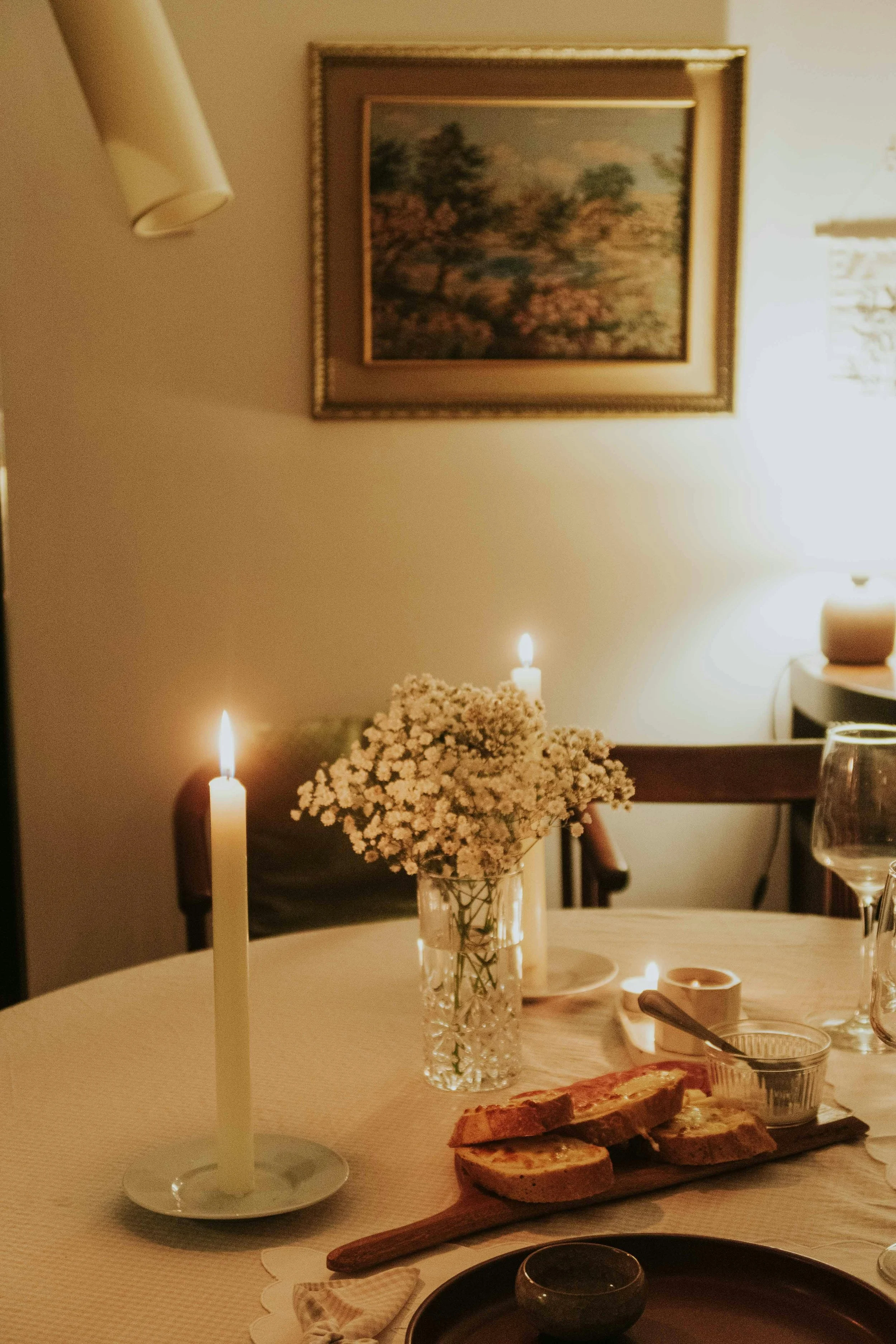
And in a society that’s plunging into chaos, hygge - coming from a relatively peaceful and just society - is something we can turn to as a way to take some control over our happiness.
We can turn our apartments into little hygge retreats where we delight in simple pleasures like the glow of a lit scented candle, the comfort of a chunky blanket, the deliciousness of a meal, the warmth of a glass of brandy before bed. (Yes I’m an enjoyer of brandy because I’m a 65 year old gentleman. Now if you will join me in the billiard room we may talk of industry and compare the sizes of our daughters dowries.)
And, you know, I could do what I do in most of my blog posts and my YouTube videos and give you a bunch of decor ideas that will help you achieve this hygge fantasy in your apartment…
A woodsy candle I love with notes of evergreen trees, patchouli, amber, and smoke. My favorite weighted blanket that’s permanently on my lap (which means my cat Helo is permanently on it because she is never not on me). Warm lighting from little lamps speckled throughout my studio, all with light bulbs that can be turned on all at once with an app, allowing me to have a beautiful glowy “let there be light” moment every morning. Recommendations for throw pillows and wall art and decorative accents, all of which lend themselves to a warm cozy look that will bring your apartment to maximum levels of hygge.
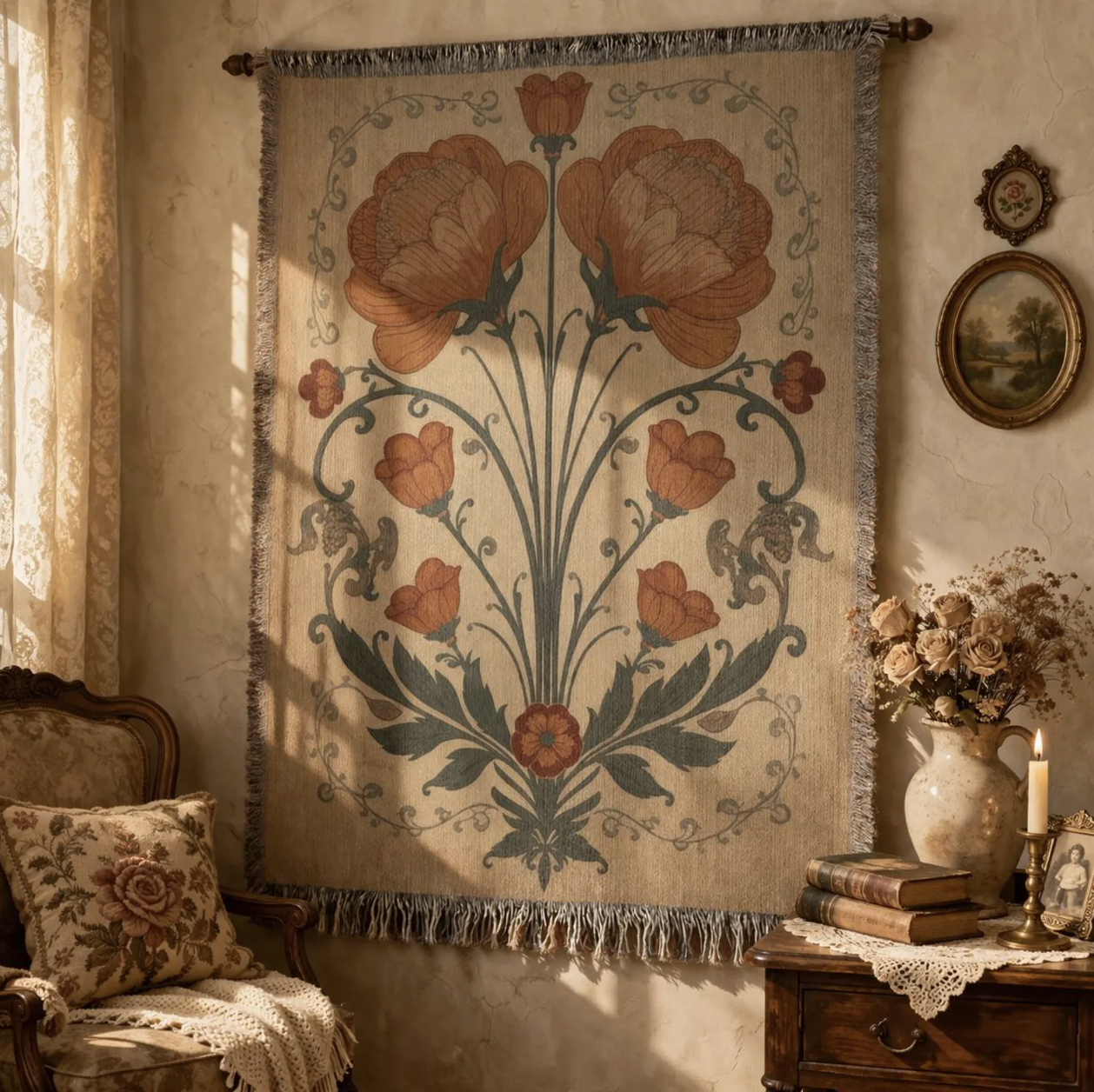

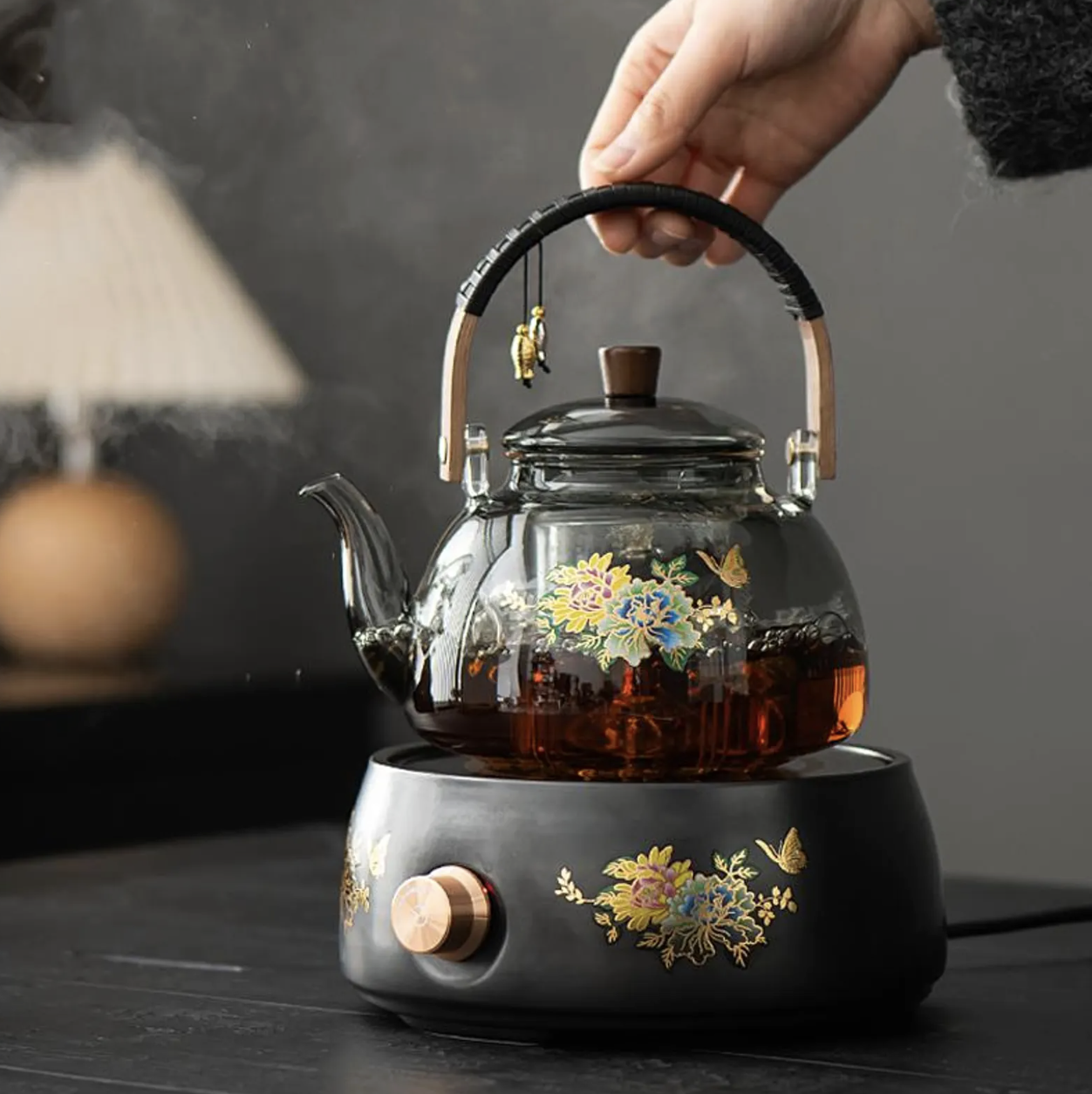
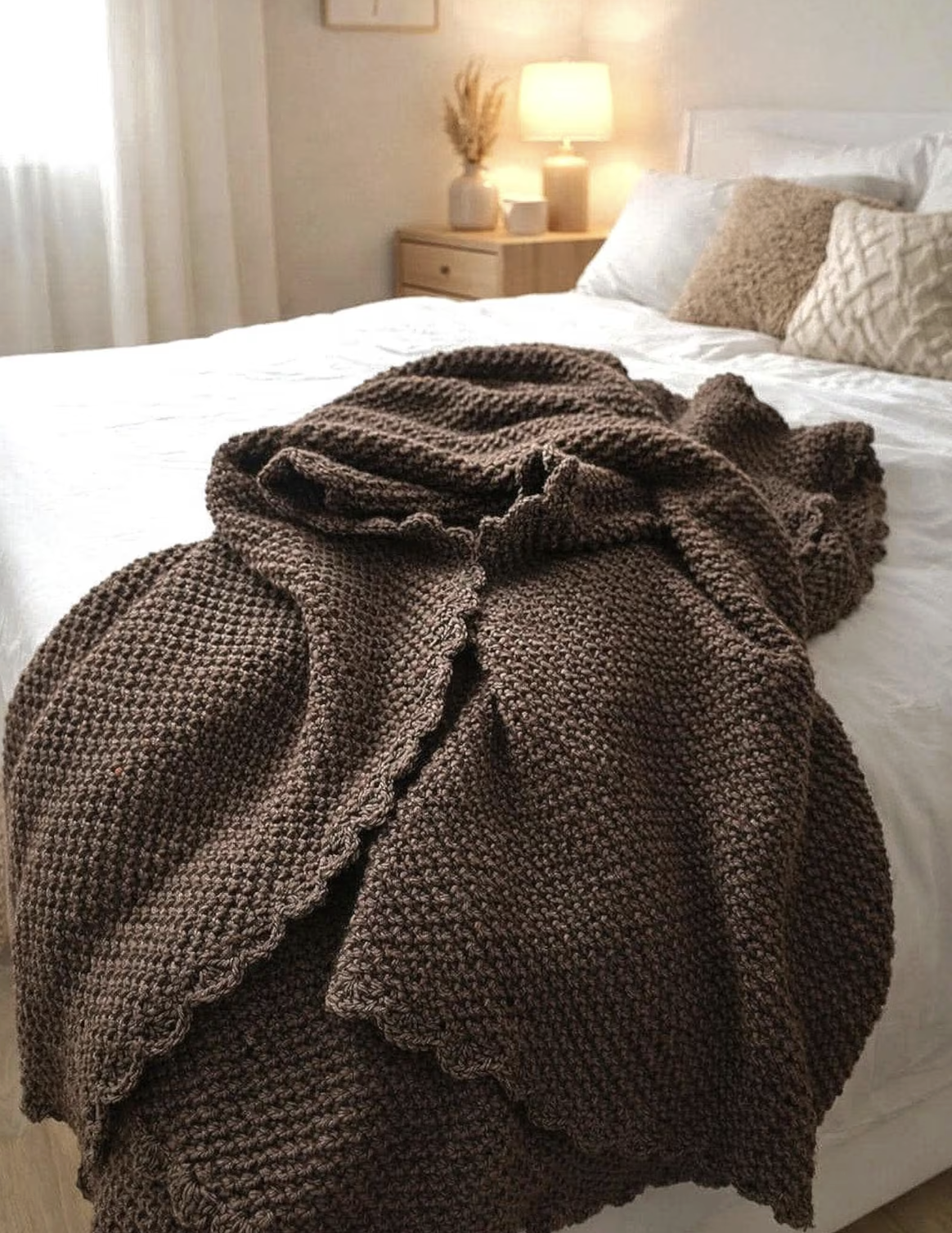
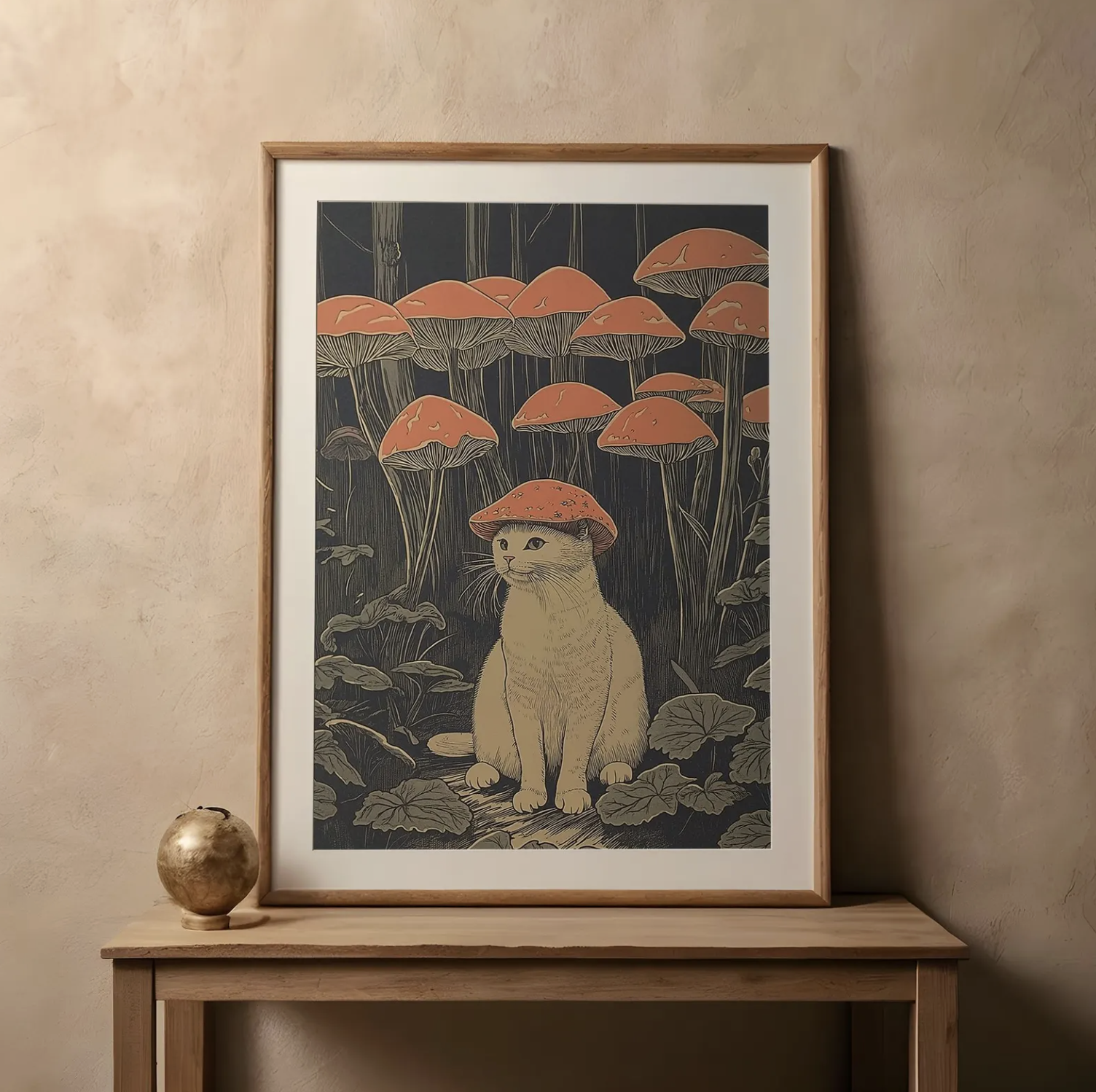
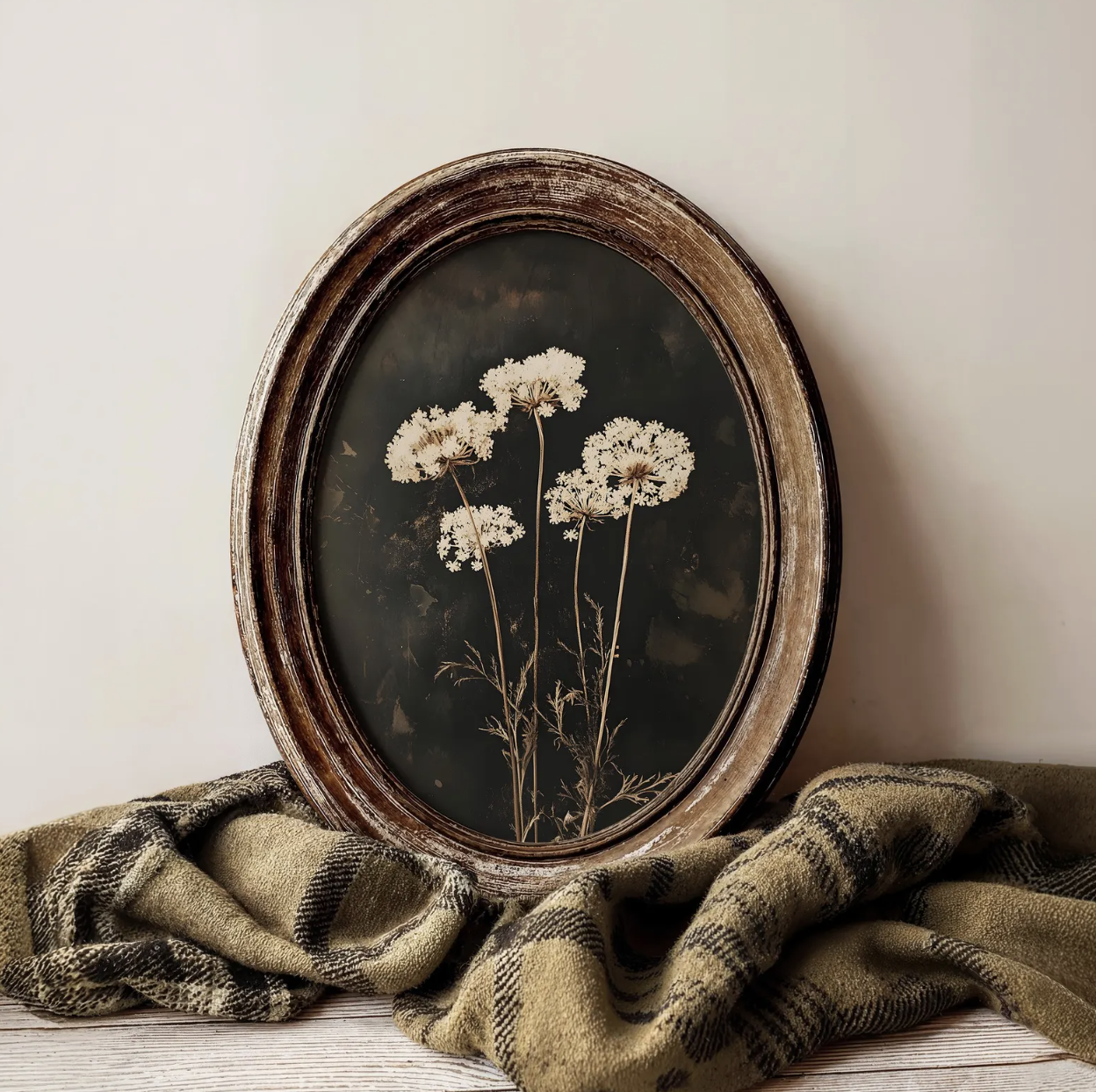
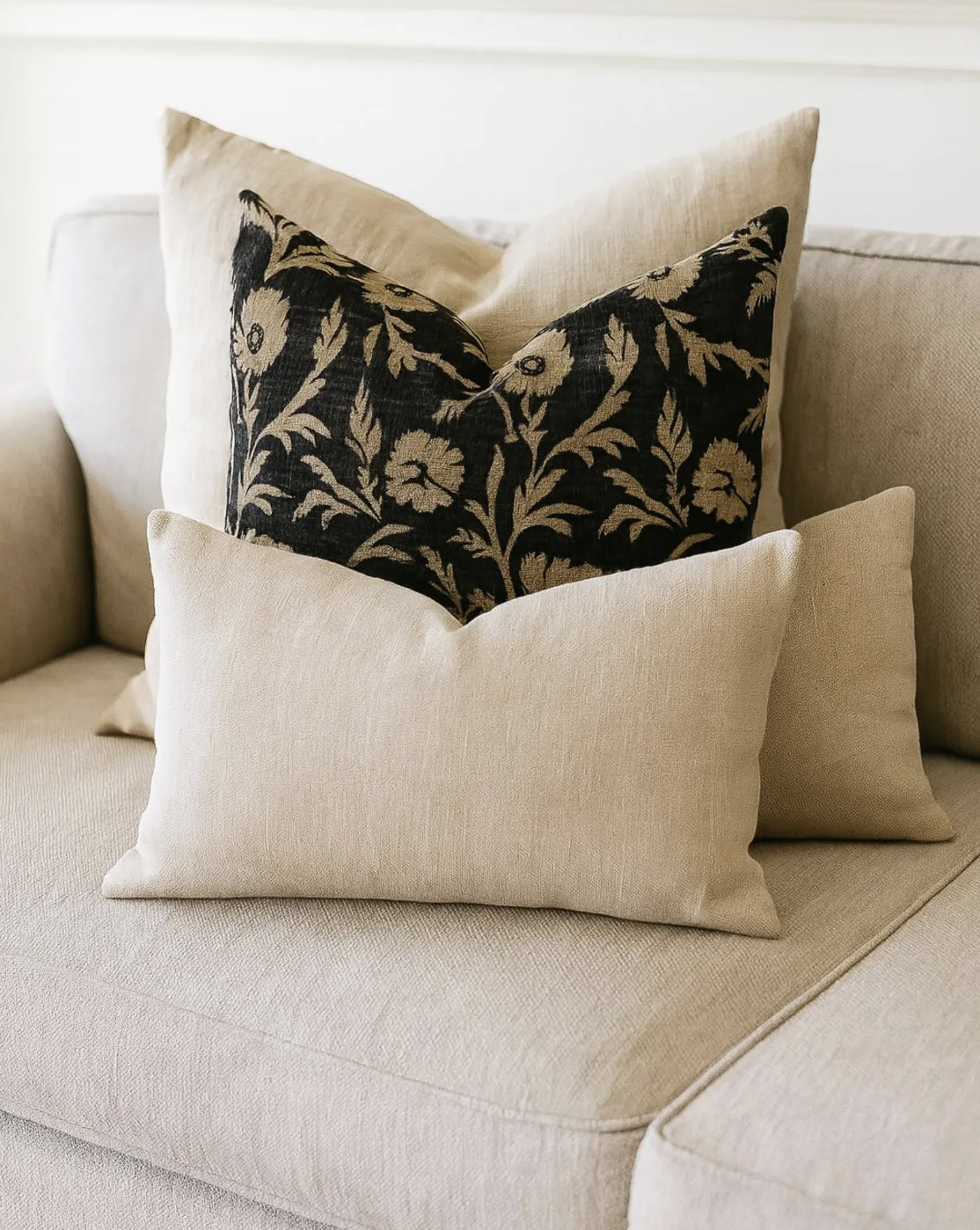
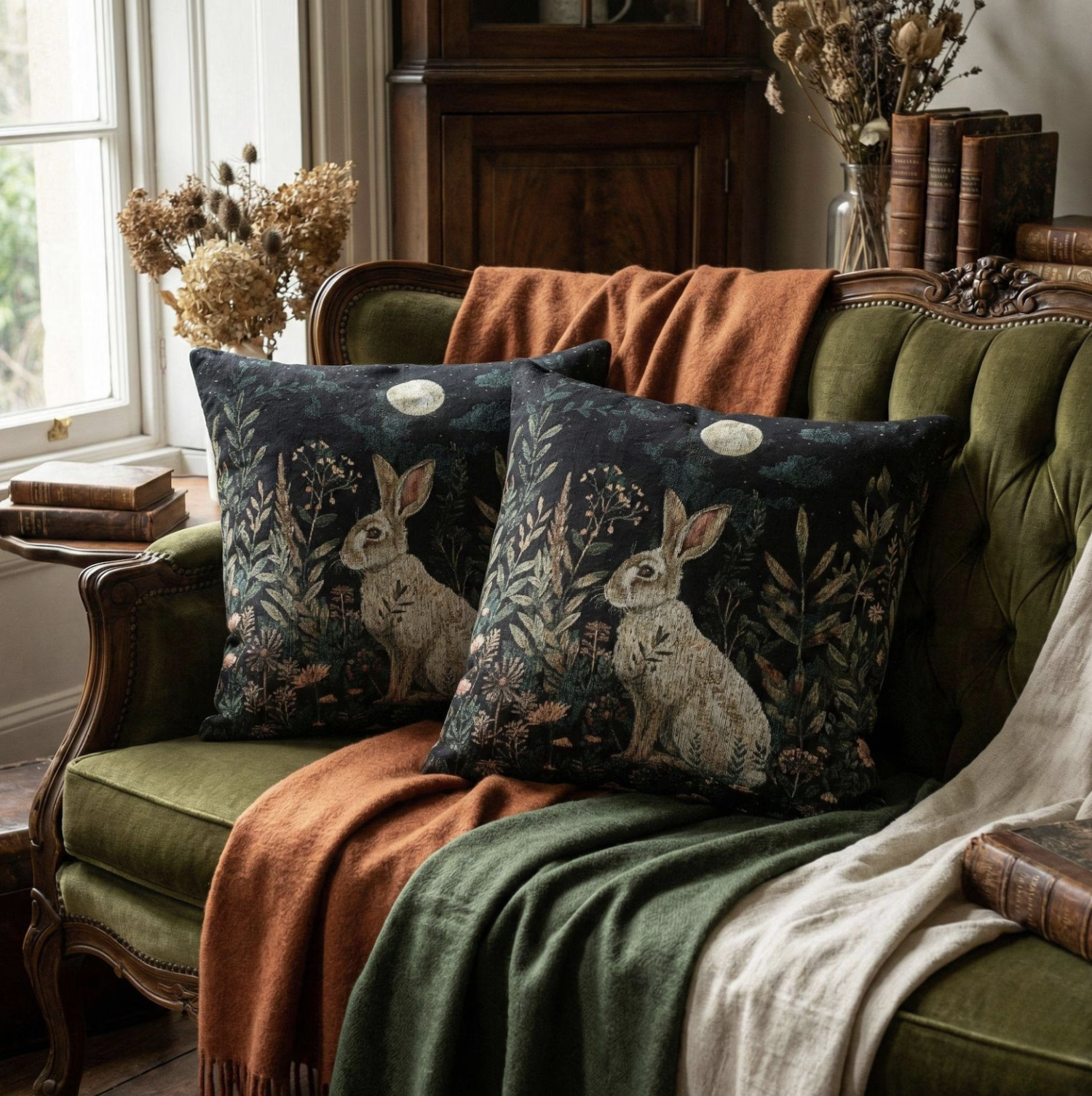
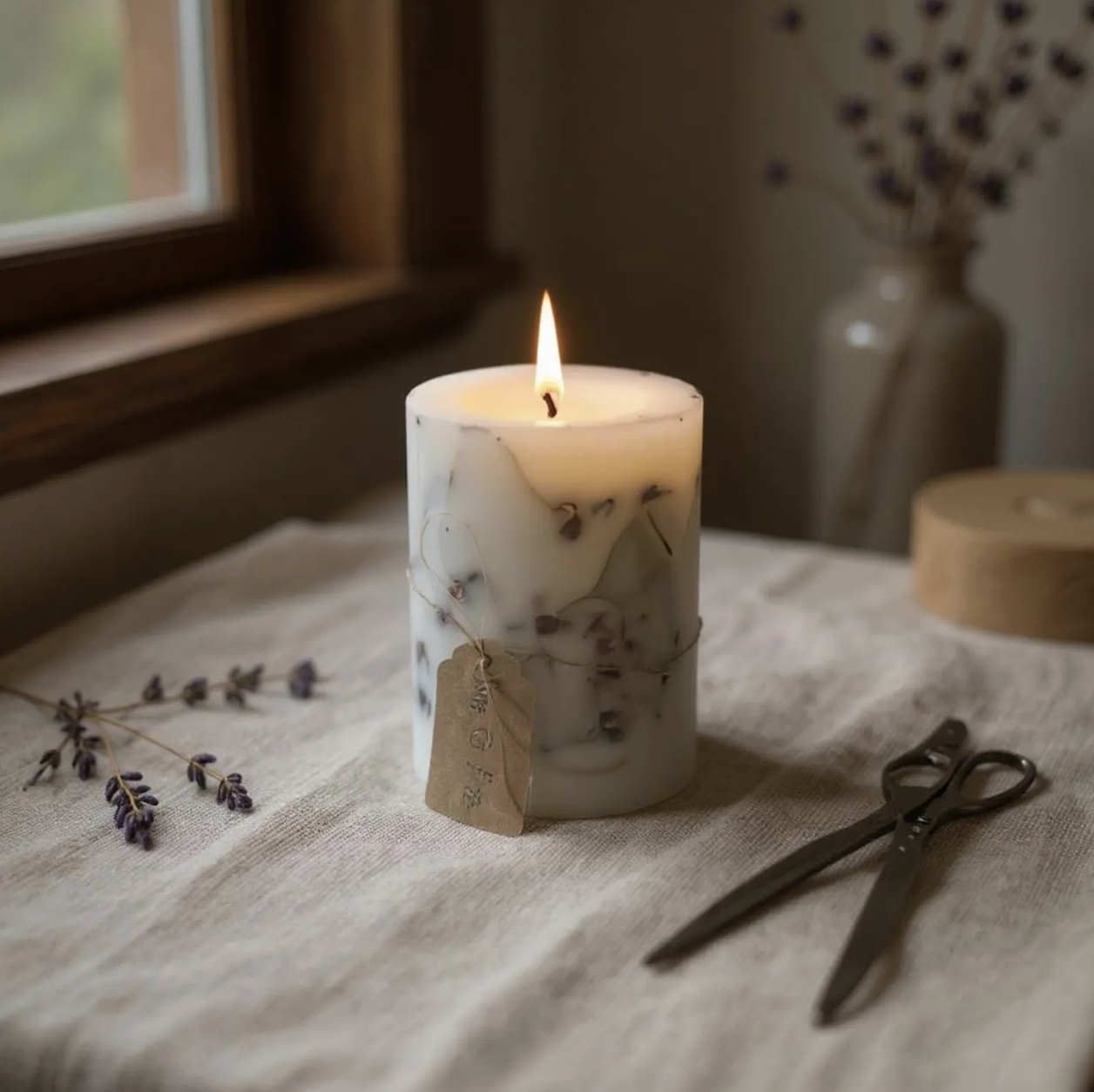
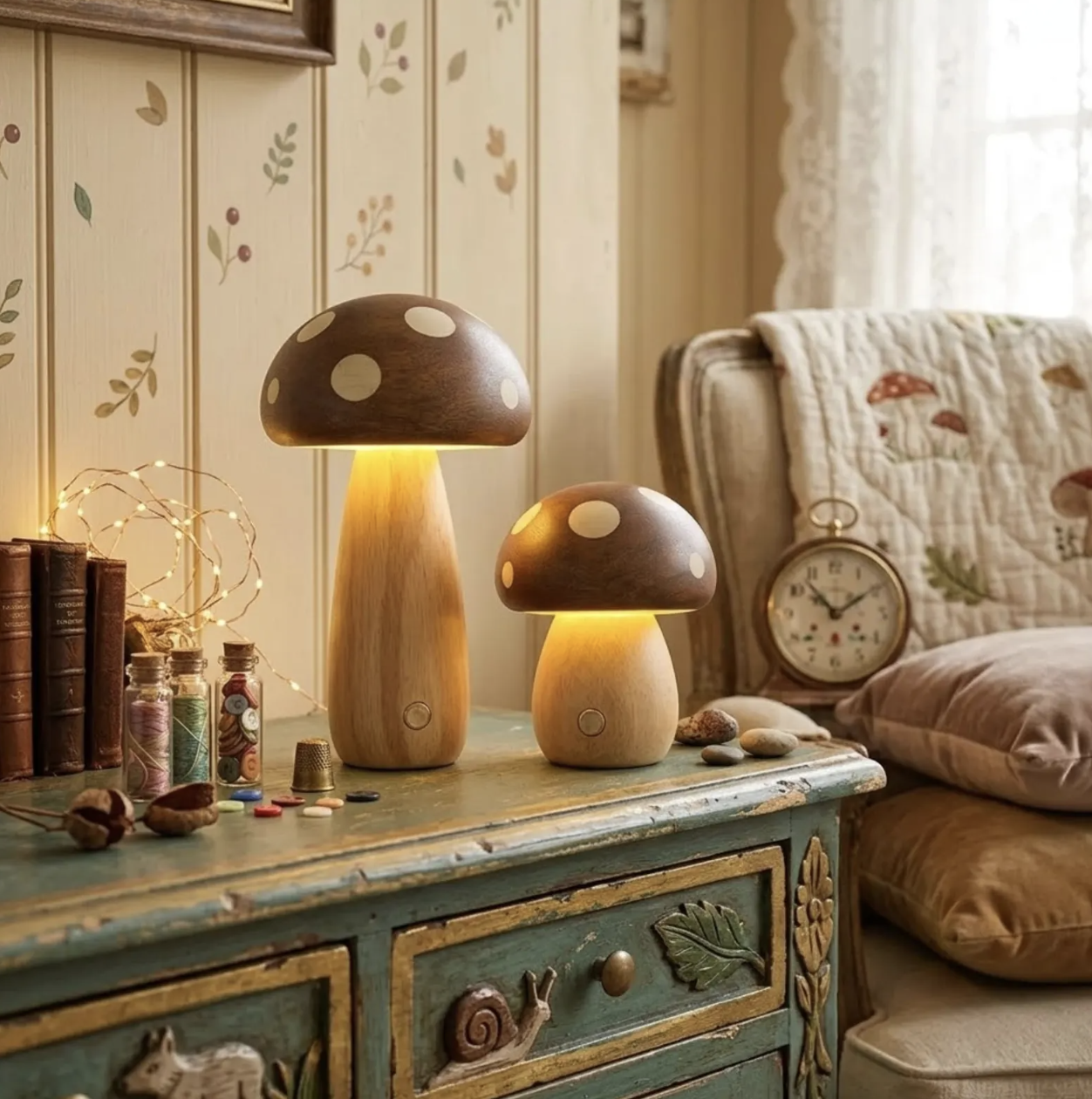
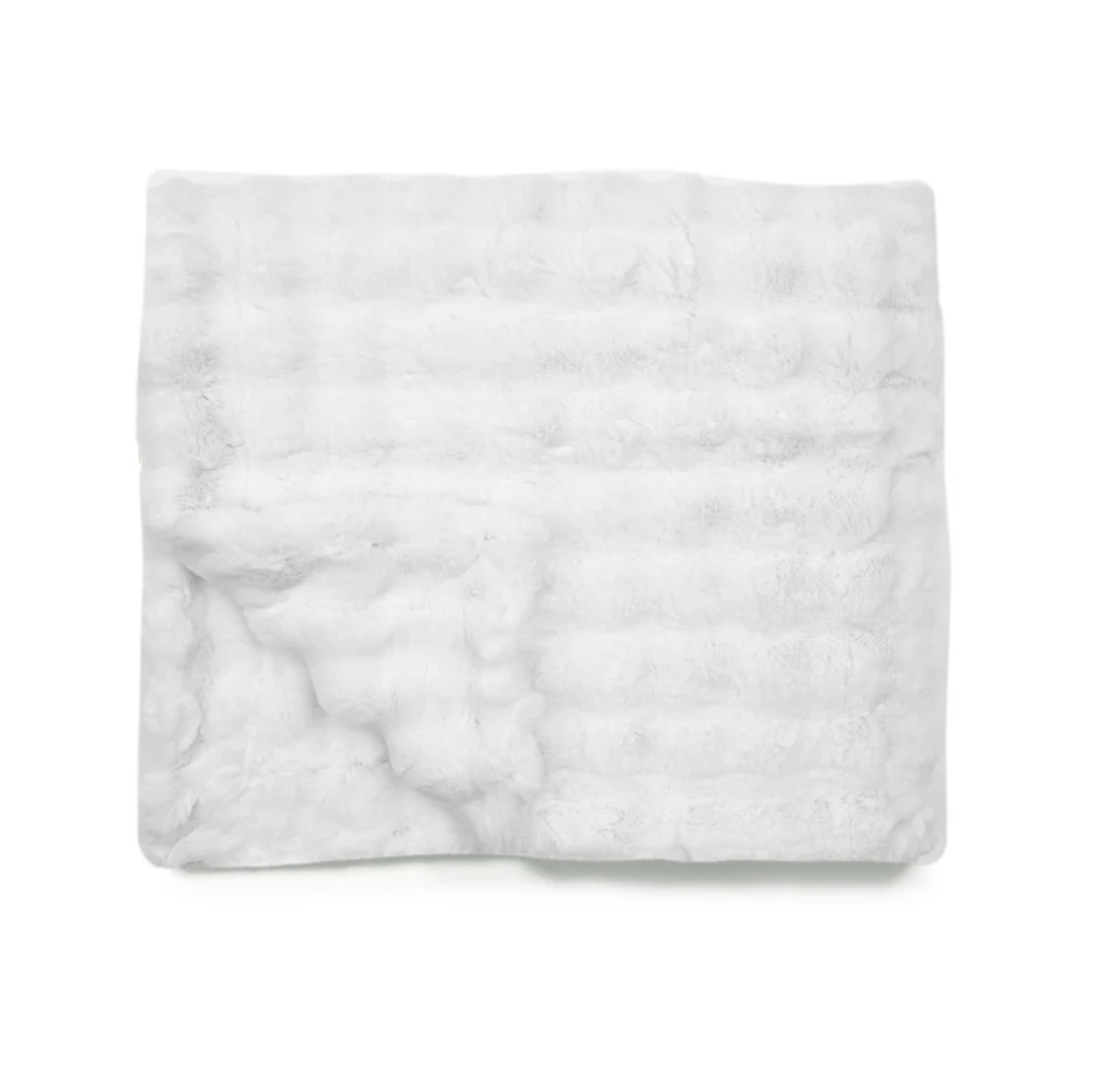

Did I just Trojan horse a cozy hygge shopping list into what’s trying to be an intelligent essay? I guess so. It’s a habit.
I really just like recommending little things that can improve your quality of life, even in the tiniest of ways.
Simple cozy pleasures are sometimes all we have. No matter how small, they can mean the difference between a decent mood and a a full blown mental breakdown. Or if you’re not as dramatic as I am, they can simply lead to a more enjoyable life.
Your apartment can be your own little utopia while the dystopia rages on outside. But then the question becomes: at what cost?
Cozy Consumerism
I have complicated feelings about the quest for coziness and decorating in general these days. As a decor YouTuber, do I sometimes feel like I’m just another tiny cog in the consumerist machine that often feels like its destroying everything? Yes.
It’s something I struggle with. Because on one hand, I firmly believe that decorating your apartment and creating cozy retreat for yourself is crucial. All forms of creative expression are. Whether it’s painting, photography, sculpting, knitting… creativity in all its forms usually involves buying things.
And this is especially the case with home decor. You can’t decorate your home without buying the ✨things✨.
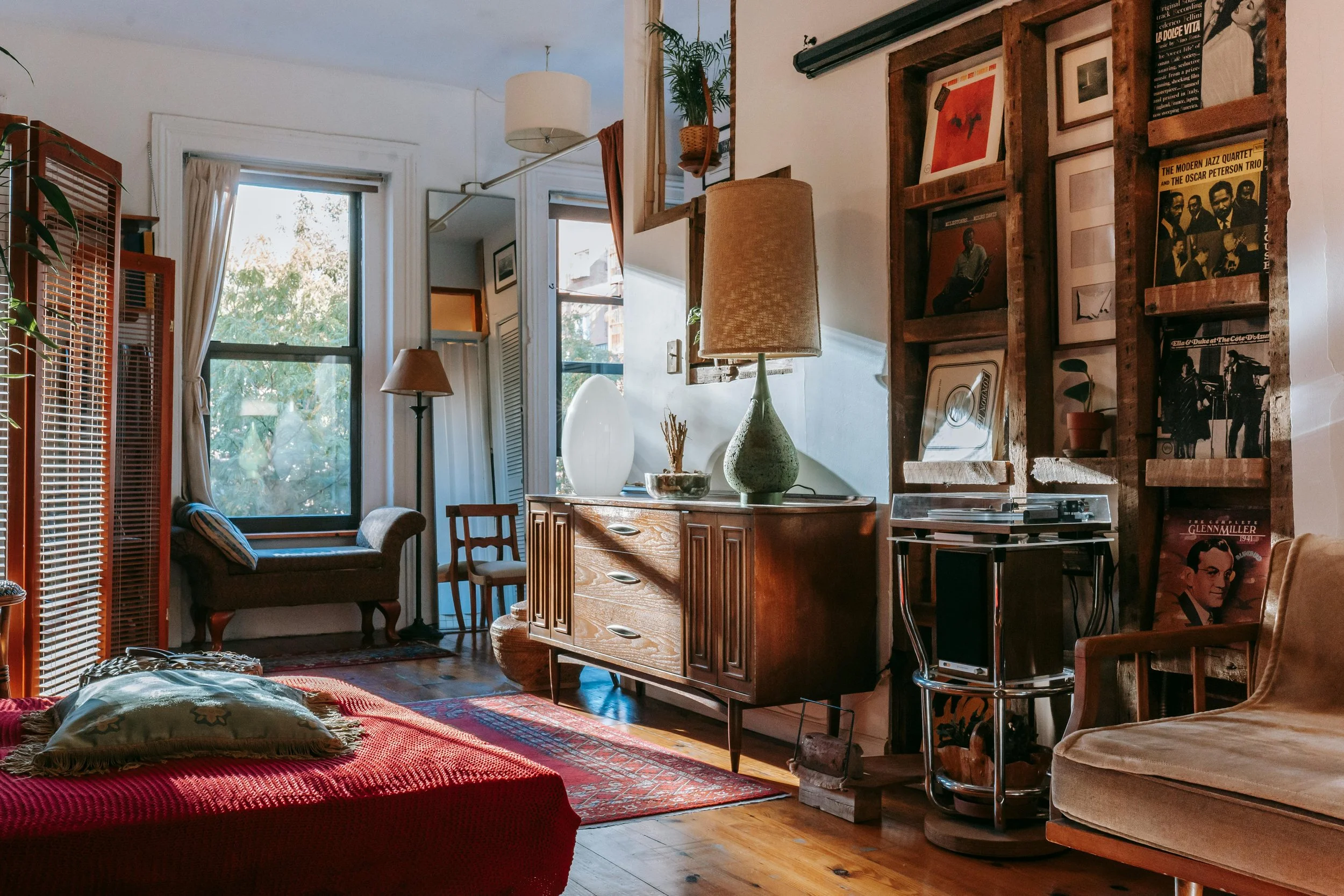
And in the era of haul videos - you know, where every video on a creator’s page is unboxing item after item and you’re wondering where is all this stuff even going - it’s easy to start to wonder where on the spectrum I fall, between harmless creative ideas for home decor to blatant wasteful consumerism.
Like I said earlier, the day man invented fire, he invented coziness. But he also invented a destructive force. Has our valiant quest for cozy homes mutated into a hollow attempt to fill a void with meaningless stuff?
And is social media the culprit? Are YouTube videos the culprit? Am I the culprit?
I try not to be.
As we all descend into our own algorithmic abysses every day, I have to believe there’s a way to inspire creative ideas that isn’t completely icky.
But it’s kind of an uphill battle. Because in a lot of ways social media these days has become inherently icky. It’s being run by a bunch of out of touch billionaire buffoons.
So is there such a thing as pure cozy inspiration? Or is it all filtered through a kind of Zuckerburgian lens that strips away all its meaning?
And even further, coziness can be deceptive.
Sometimes what looks like innocent cozy content at face value is actually a propaganda wolf in cozy sheep’s clothing. You think you’re getting wholesome homemaking content, then before you know it you’re in a far right pipeline that doesn’t want women to vote.
Misogyny is not cozy. But tradwife content sure does make it look like it is.
So can coziness even be trusted anymore? Is anything in this world real? Did I blue pill myself too hard into a cozy fantasy that doesn’t really exist beyond the add to cart button?
So much of coziness has become wrapped up in consumerism and content that it’s easy to feel like the romance is lost.
But the fire is still there. It can warm us, it can destroy us, and we need it to survive.
Cozy Conclusion
I think it all comes down to our need for creativity. Human beings are innately creative. We can’t help it.
Creativity is how we’ve thrived as a species. It’s an evolutionary imperative for us. So you can’t blame us for wanting to do creative things like decorate our apartments and turn them into cozy retreats.
We’ve been doing this since the caveman days. It started as cave paintings and now it’s renter friendly peel and stick wallpaper.
This is who we are. So the quest for coziness isn’t superficial. It’s a survival skill.
Whether you’re snuggled up on your couch with your cat watching a true crime doc, scrolling Pinterest for hygge decor inspiration, or gathering apples in an adorable debt simulator game, coziness is fundamental to who we are.
Yes it comes with problems, and we have to challenge them. But fire comes with problems too. And we need fire to survive. So while we work to keep the campfire tame, we might as well cozy up next to it and get warm.
